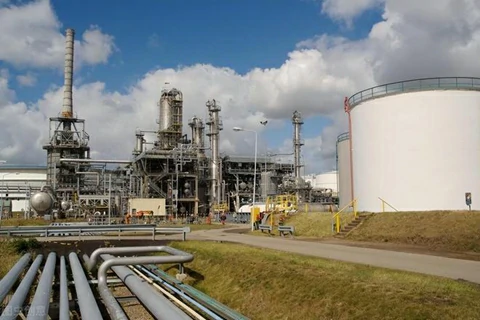
The European phenol and acetone sector came under severe pressure in July 2026 after INEOS declared force majeure on phenol and acetone supply and implemented a sales allocation mechanism, following a fire at BP's Gelsenkirchen refinery. The European market had already been under sustained pressure from 2025 through 2026 due to persistently high natural gas and electricity costs, rising EU carbon emission tariffs, and low-cost import cargoes from Asia undercutting domestic prices. Germany's Domo Chemical had permanently exited the phenol market in early 2026 after its Leuna plant filed for bankruptcy, further contracting effective regional capacity. Acetone prices had already maintained an upward trajectory prior to the fire and force majeure announcement. With no spare inventory or idle capacity buffer available across Europe, spot market tightness escalated rapidly after the incident. Downstream factories across Europe faced raw material shortages due to allocated supply cuts, forcing manufacturers to draw down inventories, ramp up long-distance imports from Asia and the US, and slash operating rates. In China, East China spot phenol was quoted at RMB 8,200-8,250/ton on July 23, up RMB 100/ton from mid-July. Jiangsu spot acetone traded at RMB 6,100-6,250/ton on July 23, rising RMB 275/ton week-on-week, a weekly gain of 4.66%.
Insights / Supply Chain
Supply ChainINEOS Declares Force Majeure on Phenol and Acetone in Europe Following BP Refinery Fire
INEOS declared force majeure on phenol and acetone supply and implemented a sales allocation mechanism following a fire at BP's German refinery, exacerbating an already tight European phenol-acetone market and driving sharp price increases in Asia.